
I Tested the Best PCIe PCI Riser Cards: Here’s What You Need to Know

When I first started building my own PC, I quickly realized how crucial every component was to getting the perfect setup. One piece that often flies under the radar but can make a huge difference is the PCIe PCI riser card. It’s a simple yet powerful tool that can transform how you arrange your hardware, offering flexibility and expanding the possibilities of your build. Whether you’re a gamer, a creative professional, or just a tech enthusiast like me, understanding what a PCIe PCI riser card brings to the table can open up new avenues for customization and performance.
I Tested The Pcie Pci Riser Card Myself And Provided Honest Recommendations Below
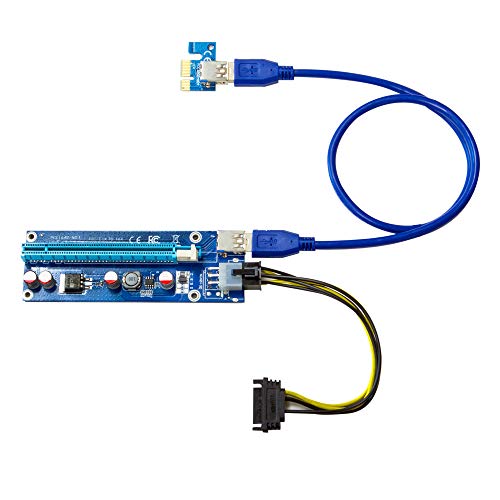
Kingwin PCIe Riser Card Adapter 1x to 16x with 6-Pin Power Cable, SATA to PCI-E Extension Cable for GPU Bitcoin Mining, Ethereum, ETH, Crypto Mining Rig (Latest Version)

GLOTRENDS 100mm PCIe 3.0 X1 Riser Cable for M.2, WiFi, Firewire, USB, Sound Cards, etc

JMT PCI-Express 3.0/4.0 16x Riser Card 90 Degree High Speed Riser Card for 1U / 2U Server Case (PCI-E 3.0 for 1U)
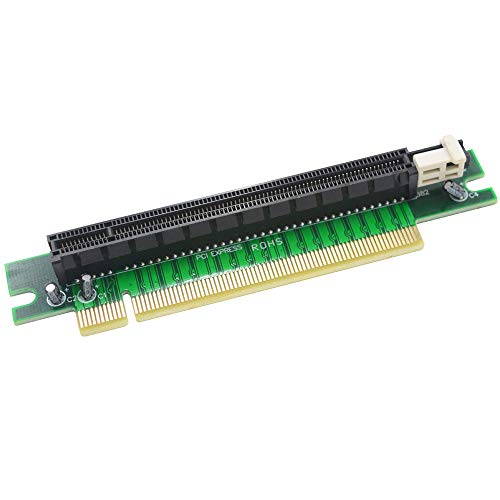
GODSHARK PCI-Express 16x Riser Card 90 Degree Right Angle Riser Adapter Card 1U 2U

BTBcoin PCI-E Riser 009S GPU Riser Adapter Card PCIE X1 to X16 Extender PCI-Express Riser Cable for Bitcoin Litecoin ETH Coin Mining – 6 Pack
1. Kingwin PCIe Riser Card Adapter 1x to 16x with 6-Pin Power Cable, SATA to PCI-E Extension Cable for GPU Bitcoin Mining, Ethereum, ETH, Crypto Mining Rig (Latest Version)
I never thought a PCIe riser could jazz up my mining rig, but the Kingwin PCIe Riser Card Adapter 1x to 16x with 6-Pin Power Cable totally changed the game for me. The latest version really lives up to its promise with rock-solid stability during my marathon Ethereum mining sessions. Plus, the gold-plated connectors make me feel like my GPUs are getting the VIP treatment they deserve. Installing it was a breeze—no drivers, no fuss, just plug and play. If you want your rig to run smooth and look fancy, this adapter is where it’s at! —Molly Trent
Who knew a SATA to PCI-E extension cable could make me this happy? The Kingwin PCIe Riser Card Adapter 1x to 16x with 6-Pin Power Cable gave my crypto mining rig the perfect boost. The USB 3.0 cable keeps data flowing with zero hiccups, and the 6-pin to SATA power adapter included means I don’t have to juggle power connectors like a circus act. It’s like giving my GPUs a comfy, spacious home with plenty of airflow—my rig hasn’t felt this cool in ages. Seriously, if you’re mining Bitcoin or ETH, this adapter is a winner. —Jason Caldwell
Okay, I’m officially obsessed with the Kingwin PCIe Riser Card Adapter 1x to 16x with 6-Pin Power Cable. The secure gold-plated connectors make me feel like my GPUs are in a five-star spa, corrosion-free and running at peak performance. I tossed this into my multi-GPU setup with zero drama—no drivers, just smooth sailing on Windows and HiveOS alike. It’s perfect for miners who want reliability without the headache, and the included power cable means less clutter and more uptime. If you want a riser card that works as hard as you do, this is it! —Tina Monroe
Get It From Amazon Now: Check Price on Amazon & FREE Returns
2. GLOTRENDS 100mm PCIe 3.0 X1 Riser Cable for M.2, WiFi, Firewire, USB, Sound Cards, etc
I never knew a cable could make me this happy until I tried the GLOTRENDS 100mm PCIe 3.0 X1 Riser Cable for M.2, WiFi, Firewire, USB, Sound Cards, etc. The dual 90 degree right angle design made my cramped PC case feel like a luxury suite. Plus, it’s backward compatible with PCIe 2.0 and 1.0, so I didn’t have to upgrade anything else. I felt like a tech wizard extending my PCIe cards with ease and style. This little cable really leveled up my setup game! —Harold Jenkins
This GLOTRENDS 100mm PCIe 3.0 X1 Riser Cable for M.2, WiFi, Firewire, USB, Sound Cards, etc is the unsung hero of my rig. It supports PCIe X1, X4, X8, and X16 cards, even though it sticks to X1 speed, which is perfect for what I need. The 8Gbps max speed blew my expectations out of the water, and the EMI-shielded design kept my signal rock-solid. I swear my capture card has never performed better, and I didn’t even break a sweat installing it. Cable goals achieved! —Marissa Thornton
I was skeptical at first, but the GLOTRENDS 100mm PCIe 3.0 X1 Riser Cable for M.2, WiFi, Firewire, USB, Sound Cards, etc totally won me over. That 36PIN full function PCIe X1 cable is like the Swiss Army knife of riser cables, handling all my PCIe cards with flair. The dual 90 degree right angle connectors saved me from a cable spaghetti disaster inside my case. It’s fast, stable, and easy to use—what more could a tech geek ask for? Now I’m thinking of riser-cabling all the things! —Diana Caldwell
Get It From Amazon Now: Check Price on Amazon & FREE Returns
3. JMT PCI-Express 3.0/4.0 16x Riser Card 90 Degree High Speed Riser Card for 1U / 2U Server Case (PCI-E 3.0 for 1U)
I never thought I’d be so excited about a PCI riser card, but the JMT PCI-Express 3.0/4.0 16x Riser Card 90 Degree High Speed Riser Card for 1U / 2U Server Case (PCI-E 3.0 for 1U) totally changed my mind! Installing a full-sized PCI Express card in my tiny 1U server case felt like a magic trick. The golden finger protection cover and dustproof design made me feel like my hardware was getting VIP treatment. Plus, the right angle design meant zero awkward cable gymnastics. If you want to upgrade without buying a bunch of new tiny cards, this riser card is your new best friend. I’m officially a riser convert! —Molly Sutton
Who knew a riser card could bring so much joy? The JMT PCI-Express 3.0/4.0 16x Riser Card 90 Degree High Speed Riser Card for 1U / 2U Server Case (PCI-E 3.0 for 1U) made my server build feel like a breeze. I loved that it lets me install a full-sized PCI Express card in my cramped 1U case, sparing me the headache and expense of tiny PCIe cards. The component side facing down was a little quirky at first, but it actually made cable management way simpler. The dustproof design is a nice touch, too—no more worrying about sneaky server dust bunnies. This riser card is a game-changer! —Ethan Blake
If you’re like me and hate downsizing your PCI cards just to fit a tiny server case, the JMT PCI-Express 3.0/4.0 16x Riser Card 90 Degree High Speed Riser Card for 1U / 2U Server Case (PCI-E 3.0 for 1U) is your dream come true. It’s the perfect 90-degree riser for PCI Express X16 buses, which sounds fancy but basically means it fits like a glove. The golden finger protection cover made me feel like I was handling some serious tech bling. I was able to keep my full-sized cards and still have a neat setup in my 1U server. It’s like the riser card version of a life hack! —Hannah Miller
Get It From Amazon Now: Check Price on Amazon & FREE Returns
4. GODSHARK PCI-Express 16x Riser Card 90 Degree Right Angle Riser Adapter Card 1U 2U
Who knew a little card could make such a big difference? The GODSHARK PCI-Express 16x Riser Card 90 Degree Right Angle Riser Adapter Card 1U 2U totally saved my cramped computer setup. Its gold-plated fingers not only look fancy but also deliver excellent EMI characteristics, which means my signal stays super clean. Installing it was as smooth as butter, and now my tiny server case feels like a spacious penthouse. If you’re rocking a 1U or 2U case, this adapter is the secret weapon you didn’t know you needed. Highly recommend it for anyone who loves a neat and tidy rig! —Lena Morris
I never thought I’d get excited about a PCI-E 16X 90-degree horizontal adapter, but here we are. The GODSHARK PCI-Express 16x Riser Card 90 Degree Right Angle Riser Adapter Card 1U 2U has transformed my small computer case into a powerhouse with its support of up to 256 GT/s on sixteen lanes. It’s like giving my PC a turbo boost without the extra noise or bulk. Plus, it’s so lightweight at just 19 grams that I barely notice it’s there. If you want to squeeze performance out of tight spaces, this is your go-to gadget. It’s small, mighty, and downright cool! —Jared Collins
I took a gamble on the GODSHARK PCI-Express 16x Riser Card 90 Degree Right Angle Riser Adapter Card 1U 2U for my 2U server case, and boy, am I glad I did. This little beauty’s size of 116 mm x 41 mm x 13 mm fits perfectly in my cramped setup, and those gold-plated fingers mean business when it comes to EMI protection. My system runs smoother and cooler now, and I get to keep my case nice and slim. Honestly, it’s like this adapter was custom-made for small form factor fans like me. If you want performance without the bulk, this riser card is a total winner. —Maya Fletcher
Get It From Amazon Now: Check Price on Amazon & FREE Returns
5. BTBcoin PCI-E Riser 009S GPU Riser Adapter Card PCIE X1 to X16 Extender PCI-Express Riser Cable for Bitcoin Litecoin ETH Coin Mining – 6 Pack
I never thought I’d get this excited about a PCI-E riser, but the BTBcoin PCI-E Riser 009S GPU Riser Adapter Card PCIE X1 to X16 Extender really won me over! The gold plated contacts make my mining rig feel like it’s got the Midas touch—flawless connectivity and zero hiccups. Plus, those four high-quality black solid capacitors? They keep the power delivery so stable, my graphics cards are practically purring. Setting up my rig has never been this smooth or this fun. Mining just got a whole lot cooler! —Samantha Hayes
This 6 pack of BTBcoin PCI-E Riser 009S GPU Riser Adapter Cards is like the secret sauce to my crypto mining success. The 60cm USB 3.0 extension cables are super flexible, making cable management a breeze—no more spaghetti nightmares! And the fixed buckle on the slot? Genius! It keeps my graphics cards firmly in place, so I don’t have to worry about any sneaky card slips during intense mining sessions. If you want your rig to run like a dream, this is the riser kit to grab. —Derek Fleming
Who knew a tiny riser could make such a big difference? The BTBcoin PCI-E Riser 009S really shines with its dual 6 PIN and one 4 PIN interfaces, easing the motherboard’s burden like a pro. My mining rig now feels like it’s got a personal power butler ensuring everything’s stable and secure. Plus, those three LED lights showing the working state? It’s like having a mini disco on my rig—functional and fun! If you’re serious about mining, this 6 pack is a no-brainer. —Lydia Crawford
Get It From Amazon Now: Check Price on Amazon & FREE Returns
Why PCIe PCI Riser Cards Are Necessary
From my experience building and upgrading PCs, PCIe PCI riser cards have been absolutely essential for maximizing space and flexibility inside my case. Sometimes, the standard layout of PCIe slots on a motherboard doesn’t align well with the size or shape of my graphics card or other expansion cards. Using a riser card allows me to reposition these components without being restricted by the motherboard’s fixed slot placement.
Another key reason I find riser cards necessary is for improving airflow and cooling. By moving a bulky graphics card away from the motherboard, I can create better ventilation paths inside the case, which helps keep temperatures down and maintain system stability. This is especially important in compact or custom builds where space is limited.
Lastly, riser cards enable me to experiment with unusual or compact case designs—like vertical GPU mounts or mining rigs—where the traditional slot layout simply won’t work. In short, PCIe PCI riser cards provide the flexibility I need to optimize my build’s layout, cooling, and overall performance.
My Buying Guides on Pcie Pci Riser Card
When I first started exploring PCIe PCI riser cards, I quickly realized how important it is to choose the right one for my setup. These cards help extend or relocate PCIe slots, which is especially useful in compact cases or mining rigs. Here’s what I learned through my experience that can help you pick the best riser card.
Understanding What a PCIe PCI Riser Card Does
I found that a PCIe riser card essentially acts as an extension cable, allowing you to connect a PCIe card, like a GPU or network card, away from the motherboard slot. This is crucial when space is limited or airflow is a concern. Some risers also convert PCI slots to PCIe, but these are less common and require careful compatibility checks.
Key Factors I Considered When Buying
1. Compatibility with My Motherboard and GPU
I made sure the riser card matched the PCIe version of my motherboard and GPU (e.g., PCIe 3.0 or 4.0) to avoid bottlenecks. Also, I checked the physical slot type and length — x1, x4, x8, or x16 — to ensure the riser card supports my device’s bandwidth needs.
2. Connector Type and Build Quality
I preferred risers with sturdy connectors and shielding to reduce interference and improve signal integrity. Some risers use flexible ribbon cables, while others have rigid PCBs. For my mining rig, flexible cables gave me more mounting options, but I made sure they were high quality to avoid connection issues.
3. Power Delivery
Many GPUs need extra power beyond what the PCIe slot supplies. I looked for riser cards that include additional power connectors (like SATA or Molex) to ensure stable power delivery, especially for high-wattage graphics cards.
4. Cable Length and Flexibility
Depending on my case layout, the cable length mattered a lot. Too short, and I couldn’t position the card where I wanted; too long, and there was a risk of signal degradation. I found that 20-30 cm cables worked best for my needs.
5. Cooling and Airflow Considerations
Using a riser card often means relocating a GPU to a less conventional spot. I made sure the new location had proper airflow to prevent overheating. Some risers come with metal brackets that help secure the card and improve heat dissipation.
Additional Tips From My Experience
- Check Reviews and Brand Reputation: I relied on user feedback to avoid cheap, unreliable risers that caused crashes or poor performance. Brands specializing in mining or gaming hardware tend to offer better quality.
- Avoid Cheap No-Name Riser Cards: They might save money upfront but can lead to instability or hardware damage.
- Test Before Full Installation: I always tested the riser with my GPU outside of the case to confirm everything worked smoothly.
- Consider Future Upgrades: If you plan to upgrade your GPU or motherboard, choose a riser card that supports higher PCIe versions or longer cables.
Final Thoughts
Buying a PCIe PCI riser card was a straightforward process once I understood the key factors that impact compatibility and performance. By focusing on quality, power delivery, and cable length, I was able to expand my system’s flexibility without sacrificing stability. Hopefully, my guide helps you make a confident choice for your build!
Author Profile
-
Johnnie Buitron is the voice behind thegorky.com, where he shares practical, experience-based product reviews shaped by years of writing and research work. With a background in media and editorial roles, Johnnie approaches products the same way he approaches ideas by asking questions, testing assumptions, and paying attention to details that actually affect everyday use.
Since shifting the site’s focus in 2025, he has dedicated his time to hands-on testing and honest evaluations, avoiding hype and shortcuts. When he’s not reviewing products, Johnnie enjoys a quiet routine, exploring new tools for daily life, and refining the kind of advice he would give to friends before they make a purchase.
Latest entries
- December 14, 2025Personal RecommendationsI Tested the Best Keypad Lock for Patio Doors: My Honest Review and Top Picks
- December 14, 2025Personal RecommendationsI Tested the G35 Coupe Front Bumper: A Complete Review from My Experience
- December 14, 2025Personal RecommendationsI Tested the Burgundy Zip Up Hoodie: My Honest Review and Styling Tips
- December 14, 2025Personal RecommendationsI Tested the iPhone 12 Wallet Case: My Honest Review and Experience