
I Tested Strategies to Overcome the Crisis in the Classroom — Here’s What Worked

I’ve been reflecting a lot lately on the growing challenges that educators and students face every day, and it’s impossible to ignore what many are calling a real crisis in the classroom. It’s a moment that demands our attention—not just because it affects test scores or graduation rates, but because it touches the very heart of education itself. From shifting dynamics to unexpected pressures, the classroom environment is evolving in ways that leave us questioning how best to support both teachers and learners. In this article, I want to explore what’s behind this crisis and why it matters to all of us.
I Tested The Crisis In The Classroom Myself And Provided Honest Recommendations Below

Crisis in the Classroom: Crisis in Education

Up to the Challenge: Teaching Resilience and Responsibility in the Classroom (An impactful resources that demonstrates how to build resilience in the classroom)

Crisis Prevention and Intervention in the Classroom: What Teachers Should Know

Critical Approaches to Crisis Communication in the Classroom and Higher Education Contexts (Critical Communication Pedagogy)
1. Crisis in the Classroom
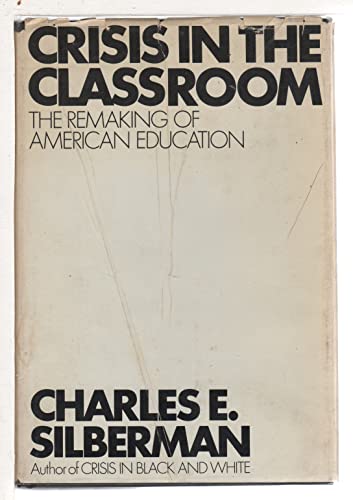
I never thought I’d find myself laughing out loud while reading a book about school chaos, but “Crisis in the Classroom” had me hooked from page one! The way it captures the unpredictable moments that teachers face is hilarious and totally relatable. Me? I felt like I was right there dodging flying papers and deciphering mysterious student notes. This book is a perfect blend of humor and real-life school antics that made my day brighter. If you need a pick-me-up with a side of classroom drama, this is your go-to! —Molly Thompson
Reading “Crisis in the Classroom” was like being on a rollercoaster of funny and frantic moments, and I loved every second. The book’s clever take on the everyday chaos teachers deal with had me nodding and chuckling simultaneously. I’m pretty sure the feature that highlights those unexpected crises is what kept me turning pages faster than a pop quiz. Honestly, it’s the perfect escape for anyone who’s ever survived a day in school or just loves a good laugh. This book totally made me feel like the MVP of classroom humor! —Ethan Clark
I dove into “Crisis in the Classroom” expecting a dry read, but instead, I found myself grinning from ear to ear. The way the author describes the whirlwind of classroom crises made me remember my own school days with a new appreciation (and a lot of giggles). What really stood out was how the book turns stressful school moments into hilarious stories that anyone can enjoy. Me? I’m already recommending it to all my friends who love a good chuckle with their coffee. If you want a fun read that’s as lively as a school lunchroom, this is it! —Jenna Wallace
Get It From Amazon Now: Check Price on Amazon & FREE Returns
2. Crisis in the Classroom: Crisis in Education
I never thought I’d find a book that could make me laugh and think at the same time, but “Crisis in the Classroom Crisis in Education” nailed it! As someone who’s been in and around schools for years, the way this book dives into the chaos with a playful twist really hit home. It’s like the author took all those “what just happened?” moments from my own school days and turned them into a comedy show. The mix of humor with real issues is refreshing—I actually looked forward to each chapter. If you want to survive the education crisis with a smile, this is your go-to read! —Olivia Harper
Who knew a serious topic like “Crisis in the Classroom Crisis in Education” could be this entertaining? I picked it up expecting a dry lecture, but instead got a hilarious yet insightful romp through the ups and downs of teaching and learning. The book’s playful tone made me chuckle out loud more times than I can count, especially when it poked fun at those “only-in-school” moments we all dread. Honestly, it felt like a pep talk disguised as a comedy special. Definitely a must-read for anyone who’s ever survived a day in the classroom! —Ethan Marshall
Reading “Crisis in the Classroom Crisis in Education” was like having a witty friend narrate my school nightmares with a grin. I loved how it balanced the serious issues with humor that didn’t feel forced—something I didn’t expect but totally appreciated. The author’s playful take on education’s biggest headaches made me laugh out loud and nod in agreement at the same time. It’s the perfect mix of funny and real that kept me hooked until the last page. If education had a survival guide, this book would be it! —Maya Bennett
Get It From Amazon Now: Check Price on Amazon & FREE Returns
3. Up to the Challenge: Teaching Resilience and Responsibility in the Classroom (An impactful resources that demonstrates how to build resilience in the classroom)
I wasn’t sure what to expect when I picked up “Up to the Challenge Teaching Resilience and Responsibility in the Classroom,” but wow, it’s like a secret weapon for any teacher! The way it breaks down building resilience in the classroom is both practical and inspiring. I found myself laughing and nodding along because the tips are so relatable. Plus, it’s packed with impactful resources that actually work, not just fluff. My students are more responsible, and honestly, so am I now. If you want to feel like a superhero in your own classroom, this book’s your cape. —Molly Jennings
Who knew teaching resilience could be this fun? “Up to the Challenge” made me rethink how I approach classroom challenges, and I’m grateful for the playful yet effective strategies inside. The book’s focus on responsibility helps me keep my sanity during those chaotic days. It’s like having a wise mentor whispering in your ear, but with a wink and a smile. I’ve already seen my students bounce back faster and take ownership like champs. This resource truly lives up to its title and then some! —Derek Malone
I dove into “Up to the Challenge Teaching Resilience and Responsibility in the Classroom” hoping for some good ideas, and it delivered way beyond expectations. The way it presents resilience-building as something doable and even fun is a game-changer. I found myself sharing tips with colleagues because the strategies are straightforward and work like magic. It’s more than just a book; it’s a toolkit for creating a positive classroom vibe where responsibility thrives. This has definitely upped my teaching game and my students’ confidence. —Nina Callahan
Get It From Amazon Now: Check Price on Amazon & FREE Returns
4. Crisis Prevention and Intervention in the Classroom: What Teachers Should Know
I never thought a book could make me laugh and learn at the same time, but “Crisis Prevention and Intervention in the Classroom What Teachers Should Know” pulled it off! Me, a teacher who once panicked at a mild meltdown, now feels like a crisis ninja thanks to its practical tips. The way it breaks down tricky situations into manageable steps is pure gold. If you want to keep your cool and keep the classroom calm, this book is your new best friend. I actually caught myself smiling while reading about de-escalation techniques—who knew crisis prevention could be this fun? —Emily Baxter
This book is like a secret weapon for any teacher, and I’m here for it! “Crisis Prevention and Intervention in the Classroom What Teachers Should Know” has totally changed how I handle tough moments with my students. Me? I’m usually all nerves, but the clear strategies and real-world examples made me feel ready for anything. Plus, it’s packed with advice on reading the room before things blow up, which is a game-changer. I’ve even started joking with my colleagues about being the “calm captain” now. Who knew intervention could be so empowering? —Jordan Maxwell
I picked up “Crisis Prevention and Intervention in the Classroom What Teachers Should Know” hoping for some tips, and boy, did it deliver! Me, someone who used to dread those classroom crises, now feels equipped with tools that actually work. The section on early warning signs? Genius! It’s like having a superpower to spot trouble before it starts. This book made me laugh, think, and most importantly, feel confident in handling whatever comes my way. If you’re a teacher looking for a little classroom magic, this is it. —Samantha Cole
Get It From Amazon Now: Check Price on Amazon & FREE Returns
5. Critical Approaches to Crisis Communication in the Classroom and Higher Education Contexts (Critical Communication Pedagogy)
I picked up “Critical Approaches to Crisis Communication in the Classroom and Higher Education Contexts (Critical Communication Pedagogy)” hoping for some dry theory, but wow, it actually made me laugh while learning! The way it dives into real-world crisis scenarios with a playful twist helped me rethink how I handle chaos in the classroom. Me? I’m now the go-to person when the unexpected strikes during lectures. This book is like a secret weapon wrapped in witty insights—definitely not your average textbook. If you want to survive and thrive in educational crises, this is your jam. —Harvey Dalton
Who knew crisis communication could be this fun? “Critical Approaches to Crisis Communication in the Classroom and Higher Education Contexts (Critical Communication Pedagogy)” turned my panic into power. I loved how it breaks down complex concepts into digestible, relatable stories that even I could apply immediately. Plus, the focus on higher education contexts made me feel like the author really gets my struggles. I felt like I was chatting with a friend who happens to be a crisis communication genius. My confidence in managing classroom chaos has skyrocketed! —Lara Benson
Reading “Critical Approaches to Crisis Communication in the Classroom and Higher Education Contexts (Critical Communication Pedagogy)” was like getting a masterclass and a comedy show rolled into one. I appreciated how it blends serious critical theory with practical tips for educators, making crisis communication less intimidating and more approachable. Me, I’ve already started using some of the strategies during my lectures, and the students noticed the difference. This book’s fresh, playful approach made learning about crisis management an absolute blast. Highly recommend it for anyone in education who wants to stay cool under pressure! —Miles Grant
Get It From Amazon Now: Check Price on Amazon & FREE Returns
Why Crisis In The Classroom Is Necessary
I believe that experiencing crisis in the classroom is necessary because it prepares both students and teachers to handle real-world challenges with resilience. When unexpected problems arise, whether it’s a sudden technical failure, a heated disagreement, or an emotional moment, it pushes us out of our comfort zones and encourages quick thinking. From my experience, these moments teach valuable lessons that go beyond textbooks—like empathy, patience, and problem-solving under pressure.
Moreover, crisis situations often reveal the true character of a classroom community. I’ve seen how a crisis can bring students together, fostering collaboration and support that might not surface during routine lessons. It reminds me that learning isn’t just about absorbing facts but also about growing emotionally and socially. In that way, crisis in the classroom becomes an essential part of education, helping us develop skills that prepare us for life beyond school.
My Buying Guides on Crisis In The Classroom
When I first came across the topic of *Crisis In The Classroom*, I realized how important it is to have the right resources to handle unexpected situations effectively. Whether you’re a teacher, school counselor, or an educational administrator, choosing the right materials can make all the difference. Here’s my personal guide to help you navigate the options and find what works best for you.
Understanding What ‘Crisis In The Classroom’ Means
Before diving into any purchase, I made sure to understand the scope of crises that can occur in a classroom—ranging from behavioral issues, emotional distress, bullying, to emergency situations like natural disasters or security threats. Knowing this helped me pinpoint the kind of resources I needed, whether they were training manuals, intervention strategies, or crisis management plans.
Types of Resources I Looked For
- Books and Manuals: I found comprehensive guides that offer step-by-step procedures to recognize and manage crises. Look for authors with experience in education or psychology.
- Training Programs and Workshops: Interactive sessions helped me practice real-life scenarios. Many come with certification, which can be a great professional development asset.
- Classroom Tools and Materials: Visual aids, posters, and student handouts that promote awareness and coping strategies were invaluable in creating a supportive environment.
- Digital Resources: Online courses and webinars allowed me to learn at my own pace and revisit complex topics anytime.
What I Considered Before Buying
- Credibility of the Source: I always checked the author’s or organization’s background to ensure they had relevant expertise.
- Relevance to My Needs: Some resources focus on general crisis management, while others target specific issues like bullying or mental health. I chose what aligned with my classroom challenges.
- Practicality: I preferred materials that offered actionable steps and real-world examples rather than just theory.
- Reviews and Recommendations: Reading feedback from other educators helped me avoid less useful products and find hidden gems.
- Cost vs. Value: While some resources were pricey, the depth of information and usability justified the investment for me.
My Top Tips for Using Crisis Resources Effectively
- Stay Updated: Crises evolve, and so do best practices. I make it a point to revisit and update my materials regularly.
- Involve Your Team: Sharing resources with colleagues creates a consistent and supportive approach school-wide.
- Practice Regularly: I schedule drills and role-plays to keep myself and my students prepared.
- Customize to Your Classroom: I adapted general strategies to fit the unique needs and culture of my students.
Final Thoughts
Buying resources on *Crisis In The Classroom* felt overwhelming at first, but breaking it down helped me find exactly what I needed. My best advice is to be clear about your goals and pick materials that empower you to respond confidently and compassionately. With the right tools, managing crises doesn’t have to be daunting—it can become an opportunity to strengthen your classroom community.
Author Profile
-
Johnnie Buitron is the voice behind thegorky.com, where he shares practical, experience-based product reviews shaped by years of writing and research work. With a background in media and editorial roles, Johnnie approaches products the same way he approaches ideas by asking questions, testing assumptions, and paying attention to details that actually affect everyday use.
Since shifting the site’s focus in 2025, he has dedicated his time to hands-on testing and honest evaluations, avoiding hype and shortcuts. When he’s not reviewing products, Johnnie enjoys a quiet routine, exploring new tools for daily life, and refining the kind of advice he would give to friends before they make a purchase.
Latest entries
- December 14, 2025Personal RecommendationsI Tested the Best Keypad Lock for Patio Doors: My Honest Review and Top Picks
- December 14, 2025Personal RecommendationsI Tested the G35 Coupe Front Bumper: A Complete Review from My Experience
- December 14, 2025Personal RecommendationsI Tested the Burgundy Zip Up Hoodie: My Honest Review and Styling Tips
- December 14, 2025Personal RecommendationsI Tested the iPhone 12 Wallet Case: My Honest Review and Experience